
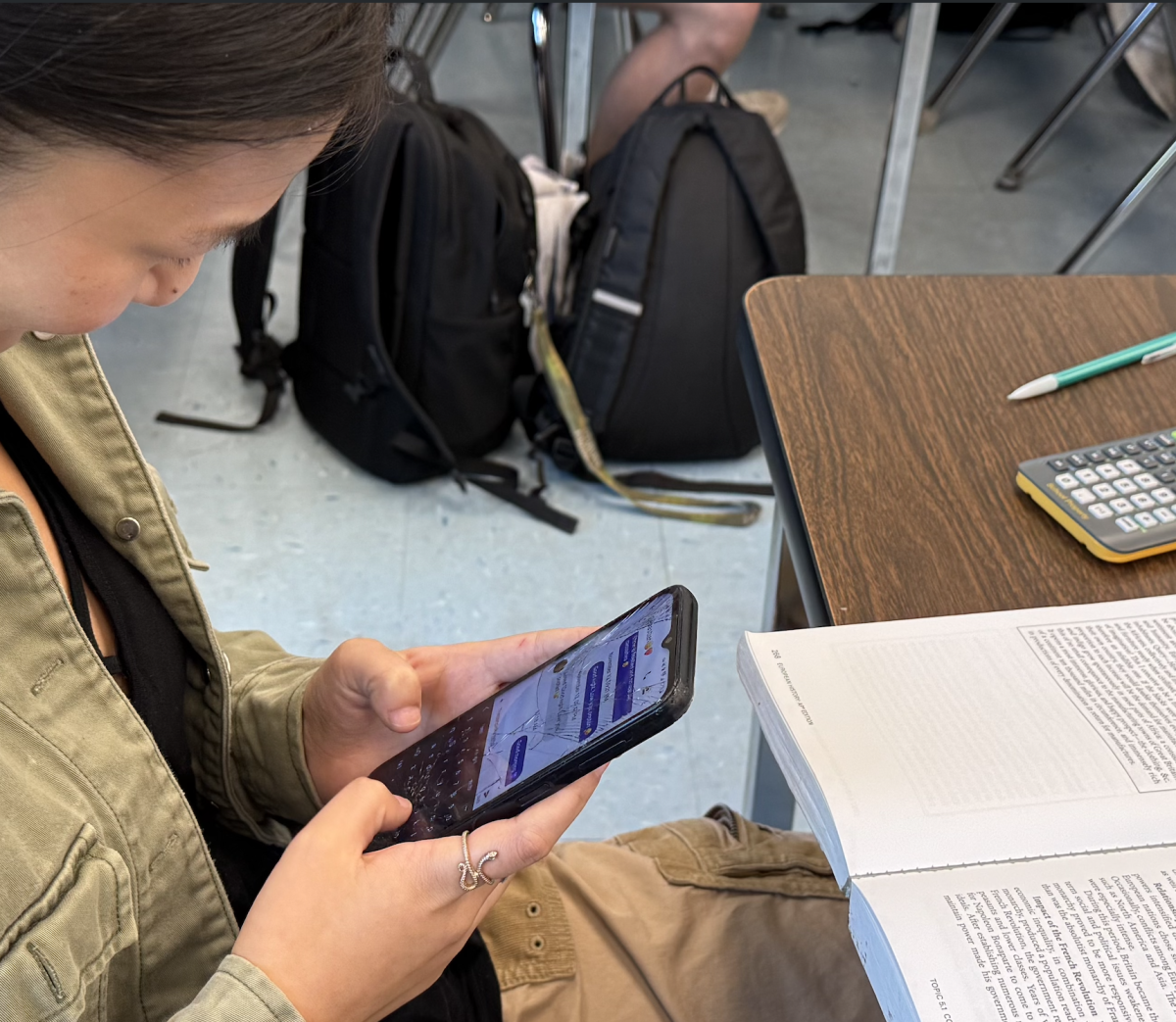
Imagine a high school senior arriving home at 2 p.m., with an estimated three hours of school homework. The student intends to start their assignments as soon as they walk through the door, but that determination quickly turns into a dreadful “tug-of-war” as soon as they sit at their desk. Instead of opening their textbook, they feel the urge to check social media, play a video game, or watch the newly released episode of their favorite tv show. What was supposed to be a short 15-minute break turns into a two-hour distraction period.
Scenarios like these are ones high school students know too well—the issue of procrastination, or the act of putting off a set of tasks for a later time, especially in favor of more entertaining endeavors. A study from Magoosh found that approximately 86% of high school students procrastinate. The next logical question would be why do teenagers feel the need to do so? There are several factors to consider. One could be overwhelmingness—the sheer weight of all the assignments could repel the student from completing them. Another could be the urge for instant gratification, such as the temptation of checking social media.
While these distractions may seem simple on the surface, the psychology of procrastination is far more complex. Despite this fact, many students fall into the pattern of calling themselves lazy. This label often comes with a prominent level of guilt. What many students don’t realize is that this cycle is tied into deeper neurological activity.
Specifically, there is a conflict between the prefrontal cortex and the amygdala. When a student decides to procrastinate, the prefrontal cortex tries to keep them focused on long term goals, such as completing homework assignments or studying for a test. The amygdala, on the other hand, often triggered by feelings of stress, anxiety or fear, sends out a signal to avoid these negative emotions by seeking out more favorable rewards–such as chatting with friends, checking notifications or even just avoiding the burden of schoolwork by doing nothing at all.
This was what happened when the high school senior walked through the door. While their prefrontal cortex was compelling them to complete their work, the amygdala or the “Fear Factory”, pushed them to distractions—and eventually, it won.
As tempting as these distractions seem at the moment, the repercussions they uphold are consequential. When hours pass by unnoticed, the gratification of avoidance escalates into a never-ending cycle of stress, anxiety and a fleet of emotions. A student’s school life is equally affected. In a study conducted by StudyMode, almost 87% of high school and college students procrastinate, and a whopping 45% of those students saw a negative impact on their grades.
Delaying tasks also influences learning outcomes. Delaying school assignments often leads to last-minute cramming, which has been proven to reduce long-term retention of the material. According to the Education Psychology Review, a study of 991 high school students found that self-regulation positively impacts procrastination. In other words, students who struggle to plan or manage their time are more likely to procrastinate. As a result, they have a difficult time developing effective study methods or critical thinking skills, which can make academic tasks feel like a burden.
Putting off obligations can take a toll on physical health as well. According to the Journal of Adolescent Health, almost 70% of American high schoolers delay their bedtimes due to procrastination. The same study found that this chronic sleep deprivation is linked with decreased attention spans and impaired memory. These implications create a feedback loop (a process in which outputs of a system are sent back to the inputs, adjusting ensuing actions) where factors like fatigue and anxiety contribute to poor concentration, essentially encouraging further procrastination.
For high schoolers, procrastination is more than just putting off homework assignments. It is a battle between the desires of instant gratification and the expectations of long-term goals. What starts as a brief 15-minute break ensues a series of distractions, leading to sleep deprivation and impacted well-being. Recognizing the consequences of delaying tasks is crucial, as many students underestimate the hidden costs of procrastination.
AMYGDALA by Ayaan Gupta