
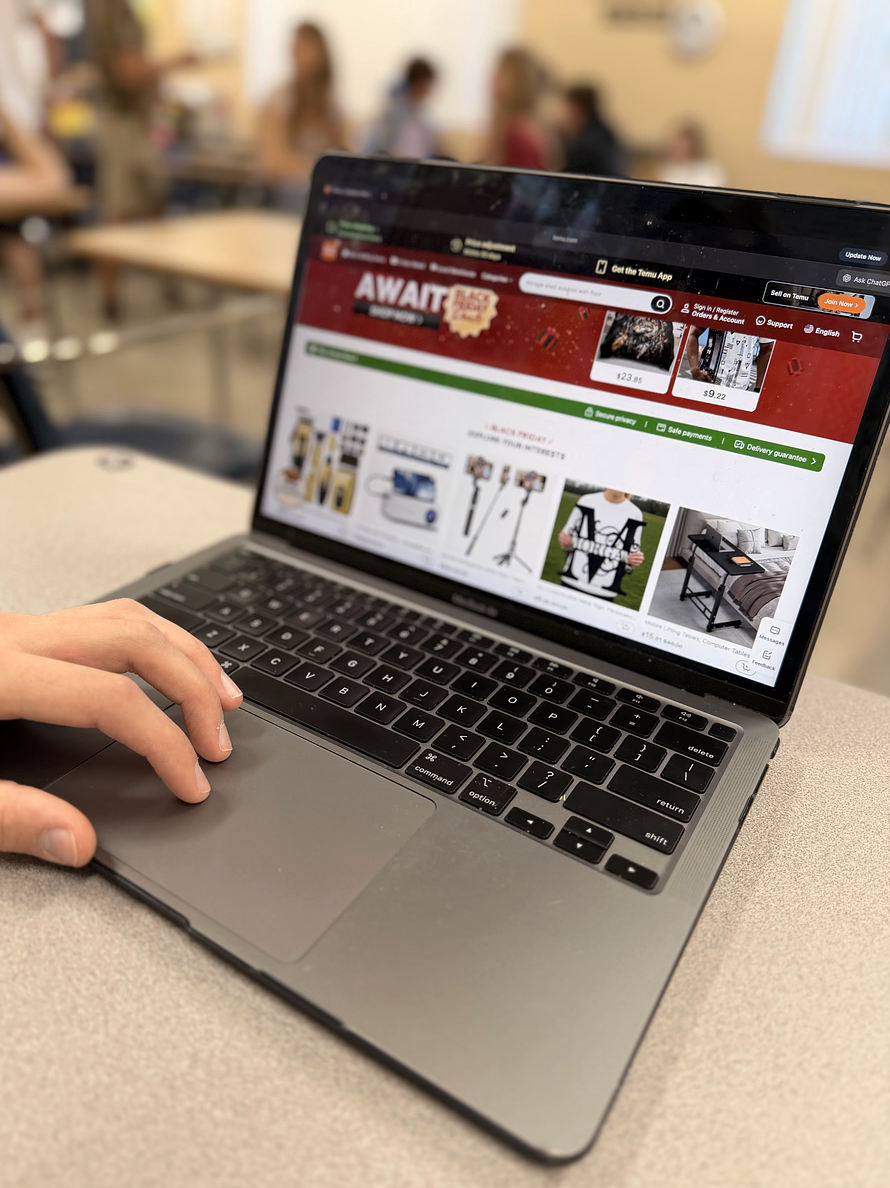
Today, anywhere we look, we are bombarded with options. Whether that be something we need, something we want or something we would have never bought if not for its low price and cool look. Spin it however you like, but we, as a society, massively overconsume goods we would otherwise not need. This overconsumption is, however, only possible because of the exploitation of workers and the disregard for environmental standards in developing nations where these products are manufactured.
I’m sure many have bought something from Shein, Temu, AliExpress or even Zara and H&M at least once in their life. Were they clothes that were needed, or are they clothes that are cheap enough that the average consumer can afford what was once considered a luxury? These clothes are what is considered “fast fashion,” clothes. They are made in huge bulk orders for cheap and then sold to the masses. However, we never stop to think about the process these clothes went through to get from the oil well where the polyester was manufactured into our hands.
These clothes aren’t built to last. They are made so cheaply from the start that, after a few washes, the quality has degraded to the point where they are unwearable. This isn’t by accident; these clothes are made to be disposable from the beginning. One shirt doesn’t bring a high enough profit margin to sustain a corporation. Corporations need us to keep buying to turn out a consistent profit. If we all bought clothes and they lasted our whole lives, we wouldn’t need to buy any more. Sure, stock prices would jump at first, but after a while, there would be few purchases, certainly not enough to sustain a whole company and its employees.
According to Greenpeace, the fast fashion industry is responsible for the emission of over 4 billion tons of CO2 per year, or 9% of all global carbon emissions. For comparison, all international flights combined with all worldwide shipping produce just under 2 billion tons of CO2 combined. This includes the process of producing polyester, which involves the reproduction of oil into plastic and then the spinning of it into polyester for sewing clothing. Each manufacturing plant produces over 50,000 tons of waste per year.
Many of these factories are known as “sweatshops,” which involve the employment of children for the means of production and the use of unethical and often dangerous labor practices. According to the International Labor Organization, over 138 million children work inside sweatshops manufacturing clothes. During the manufacturing process, these children breathe in toxic chemicals like asbestos and gasoline continuously, often causing permanent lung damage. Fifty-four million of these children work in hazardous conditions. According to the United Nations, the world has promised to end child labor by 2025; however, many countries still fall flat on that promise. Burundi, for example, is the nation with the highest number of children performing labor, with over 50% of children under the age of 15 performing at least five hours of paid work per day. This labor is often due to trafficking and is forced on these children with very little pay.
Fast fashion leads to a vast number of human rights violations, creating disadvantageous positions for the people working in the industry. These corporations are only looking at sales. They don’t care about the end consumer, and they sure don’t care about the starting employee who creates these products. Fast fashion is an environmental and social issue of overconsumption and egoism.