
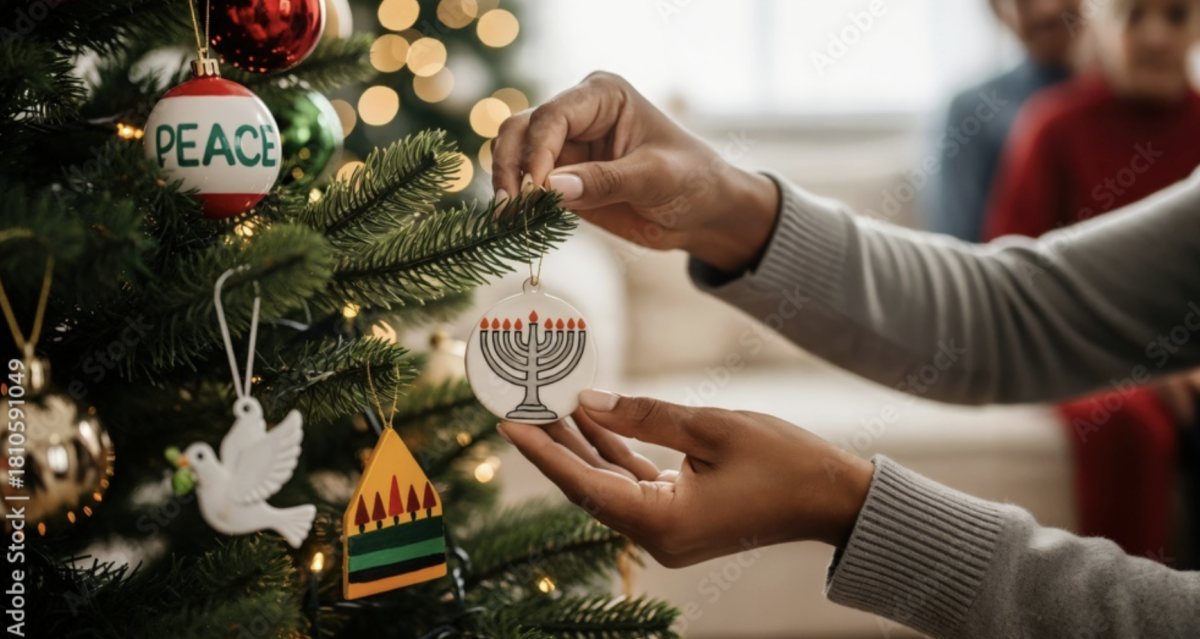
Holiday traditions are a big part of why the holiday season is so special. Whether you celebrate Christmas, Hanukkah, Kwanzaa, Yule or many more, it’s a special time for families and friends. Plant has 2,500 students and many celebrate holidays differently, so here are some that your Plant Panthers celebrate.
Christmas
Christmas is celebrated on December 25 in honor of Jesus’s birth. About 2,000 years ago, a young engaged faithful couple named Mary and Joseph were visited by the angel Gabriel through a dream. He told Mary about her bearing the Son of God in her womb through a virgin birth and her and Joseph will name him Jesus. Gabriel told Joseph the same and he continued to stay alongside Mary even in the chaos.
After months Joseph and Mary traveled on a donkey to Bethlehem and were told all the inns were full. Then an inn owner told the couple about the stable. Mary went into labor then Jesus was born and laid in a manger. An angel told the shepherds about the good news, so they went to go see Jesus. Although this holiday is all about Jesus an idea of Santa Clause came about after the generous Christian bishop, Saint Nicholas.
In the 4th century Saint Nicholas was known for his secret gift-giving and was later celebrated for all of his kindness. This was turned into Santa Clause who gives gifts to children all over the world throughout the night on December 25.
This season is a time of joy, love, thankfulness, and generosity. It brings families closer together and is a joyful time of the year.
When asked about Christmas, a Junior at Plant, Megan Canady said, “I love Christmas because it puts everyone in such a good mood. It is something to look forward to after exams.”
Hanukkah
Hanukkah is an 8-day celebration that begins each year on the 25th day of the Jewish Calendar month of Kislev. Hanukkah commemorates the rededication of the Temple in Jerusalem after a group of Jewish warriors defeated the Greek armies. It begins on December 14th at sundown and ends on December 22nd.
2,000 years ago, in Judea the Syrian King, Antiochus ordered the Jews to abandon the Torah and worship the Greek gods. This order started a rebellion led by Judas Maccabeus when he redeemed the Temple in Jerusalem. This Temple was desecrated by the Syrians.
Although the army of Jews had a small number, they won so they celebrated by an 8-day celebration which cleansed and rededicated the Temple. Based on the Talmud, there was only enough oil to relight the candelabra for one day; it lasted all eight days. The Menorah is an eight branched candelabra. Each night a candle is lit until the eighth night when all the lights are lit.
When asked about Hannukah, Vivienne Harris (11) said, “Hannukah is so fun because I love the real meaning behind it. My mom grew up doing the Menorah and it’s fun to do it as well.”
Yule
Yule is a winter festival celebrated by the Germanic people. This festival is celebrated during the winter solstice and is one of the oldest winter traditions in the world. It originates from the ancient Norse and Germanic cultures.
Yule honors the return of the sun and the natural cycle of the seasons. Families would gather around large fires, exchange gifts, tell stories and enjoy feasts that lasted for days. Evergreen trees, candles and wreaths were used to symbolize life, hope and light even in the darkest time of the year. These traditions later influenced modern Christmas celebrations. Today, many still observe Yule as a time of reflection, gratitude and connection to nature. It welcomes warmth and renewal as the days begin to grow longer.
All these celebrations are so special for families and friends to grow closer and be able to celebrate life. They show love, thankfulness, light, and old traditions.