Is free will truly free, or has it been shaped so heavily by outside influences that it barely exists anymore? Social media has become one of the strongest forces affecting how people think, act and make decisions. Instead of focusing on what they genuinely want, many people now center their choices around what is popular or relevant online. Teenagers, who spend a significant amount of time on social media, are especially vulnerable to this influence.
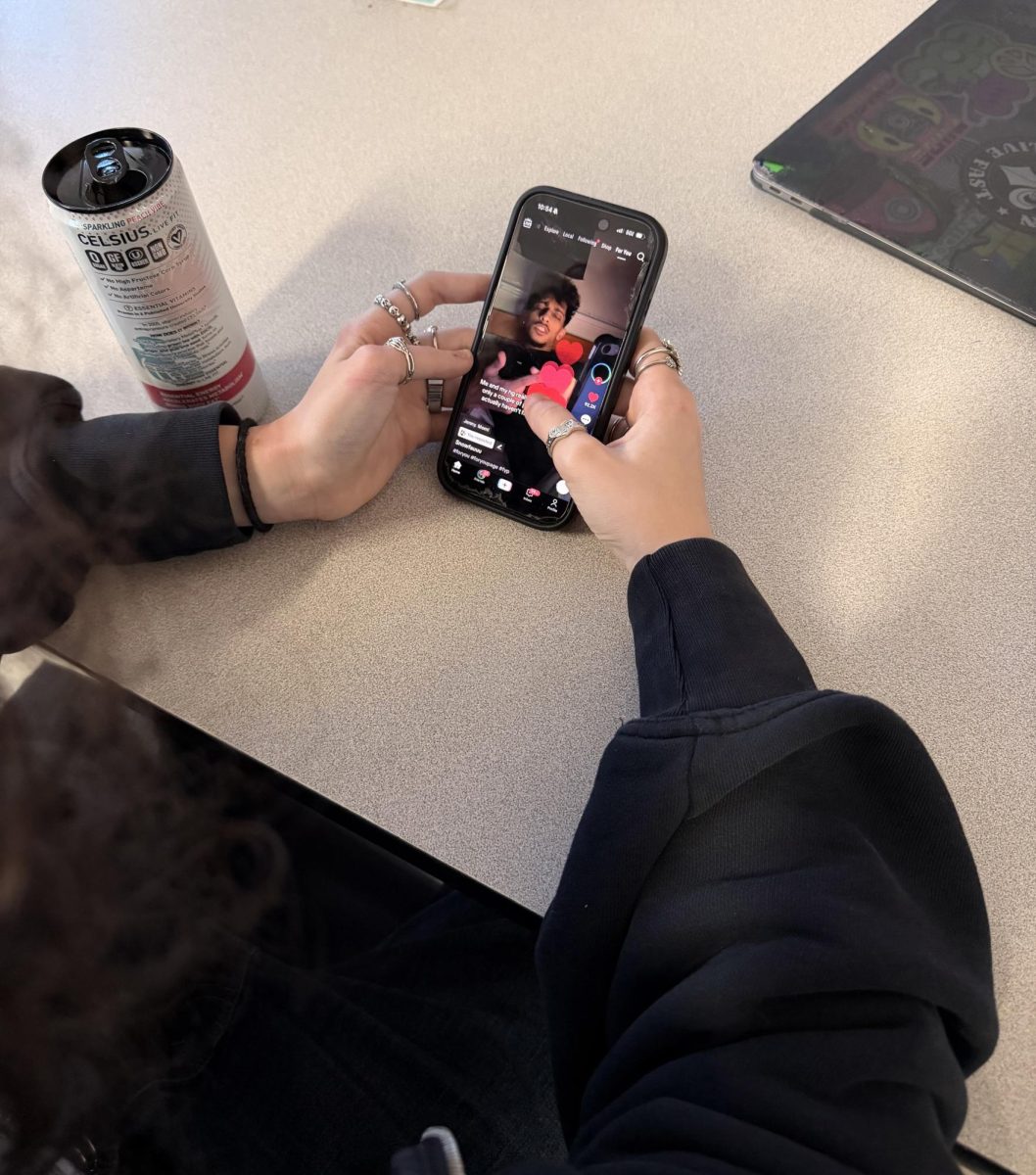
Many people dislike admitting it, but for those who use social media regularly, decisions are often shaped by what they see online. From clothing choices to opinions on major issues, social media plays a role in daily behavior. This influence is even stronger when it comes from platforms people spend hours scrolling through every day.
“I spend over seven hours a day on my phone scrolling through TikTok and things like that,” said Ivy Ni, (10).
Personal style is one of the most visible examples of this influence. While individuals still make choices about what they like, those preferences are often shaped by content they repeatedly see online. Social media algorithms track interactions, such as likes, comments and watch time, to create a digital profile for each user. Once that profile is built, platforms continue to show similar content, reinforcing certain trends and limiting exposure to different perspectives. Over time, this can subtly change how people view themselves and what they believe they should like.
Beyond fashion and trends, social media has become a powerful political tool. Platforms frequently circulate opinion-based content, sponsored posts and influencer videos that promote specific ideologies. Some of this content lacks credibility or context but is presented in a way that feels personal and relatable. As users interact with it, algorithms push similar posts, creating an echo chamber that strengthens those views over time.
This strategy played a noticeable role in the 2024 presidential election. Donald J. Trump’s campaign used social media effectively to target young male voters, tailoring content to topics that resonated with that demographic. This approach helped him gain support from younger voters, especially when compared to Vice President Kamala Harris’ less successful social media outreach. The election highlighted how targeted online messaging can influence political beliefs and voting behavior.
As social media continues to dominate everyday life, the ability to make independent decisions may weaken. More teenagers are forming opinions based solely on what appears on their screens rather than through research or critical thinking. If reliance on social media continues to grow, free will may still exist, but it may be increasingly guided by algorithms rather than personal choice.
Design by caporcelli