
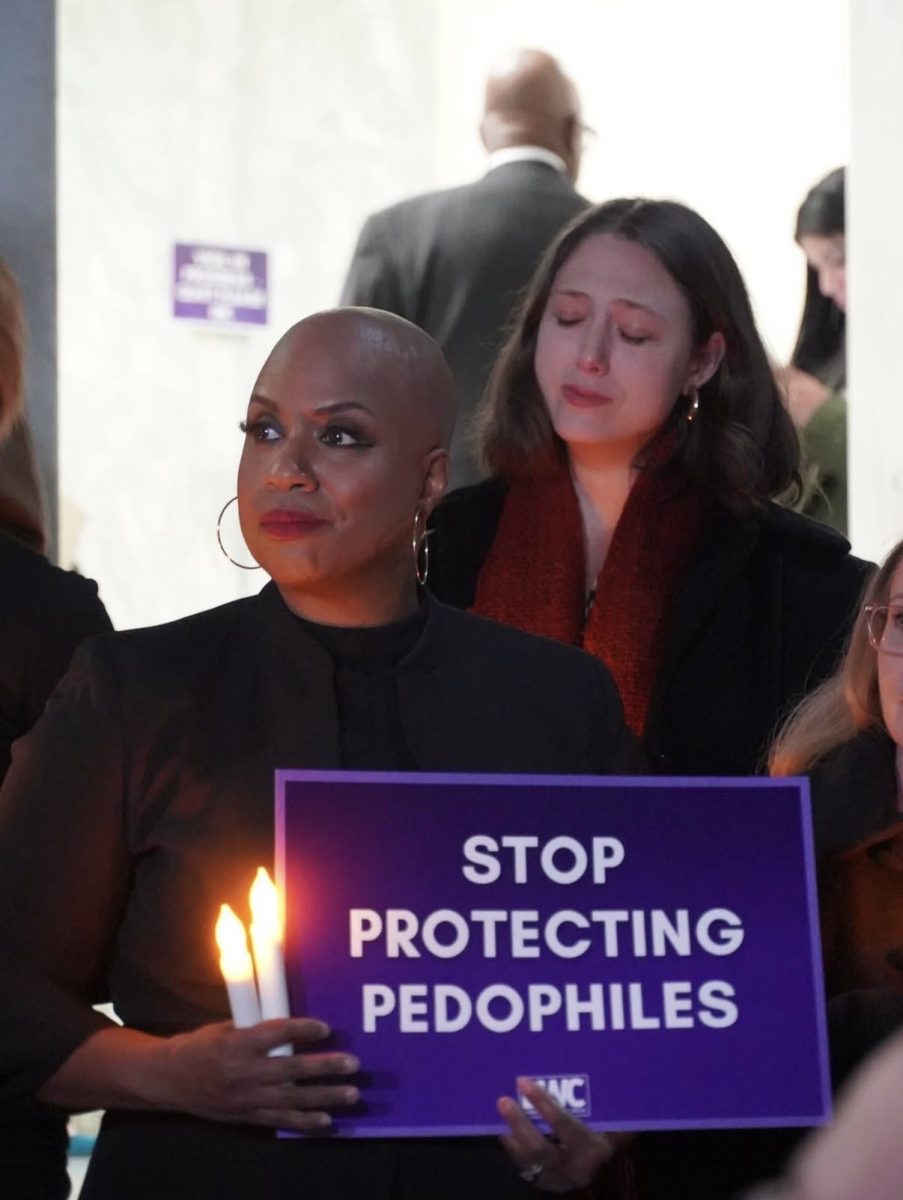
In modern American politics, few politicians represent activist leadership as much as Congresswoman Ayanna Pressley. Representing Massachusetts’ 7th Congressional District, Pressley spent her career challenging the traditional boundaries of legislative work. Since her election in 2018, she has become the first black woman to represent Massachusetts in Congress. She has centered her platform on the idea that “the people closest to the pain should be closest to the power.”
Pressley is known as a member of a group of progressive lawmakers who push the Democratic Party toward more assertive stances on social and economic issues. However, her significance in politics lies in her trauma-informed approach. Having been open about her own experiences with sexual violence and her family’s history with the criminal legal system, Pressley frames policy not just as statistics, but as a direct response to the system that creates harm.
Her leadership is identified by a refusal to separate activism from government. While some legislators focus on compromise, Pressley often uses her platform to highlight how historical injustice continues in modern society.
Ayanna Pressley says, “We should be uncomfortable with the growing gaps in our society, and we cannot allow ourselves to become desensitized to these injustices.”
One of Pressley’s most consistent focuses is the restructuring of the American legal system. Rather than advocating for small changes in sentences, she calls for a transformation of the entire system.
“True enough, Trump is a formidable foe, and systemic inequalities and disparities are worsening under this administration.” Ayanna Pressley says, “But they existed long before that. And I want to lead, organize and legislate to disrupt these disparate outcomes.”
Pressley has introduced legislation aimed at ending the over-policing of schools, which she argues immensely affects students of color and students with disabilities. She also advocates for the elimination of federal mandatory minimum sentences, arguing that they strip judges of discretion and contribute to mass imprisonment.
A unique aspect of her platform is her focus on how the legal system impacts young women of color. She has promoted the Ending PUSHOUT Act to address the unfair disciplinary actions that push girls of color out of the classroom and toward the legal system.
Additionally, as the co-chair of the Pro-Choice Caucus’s Abortion Rights and Access Task Force, Pressley is a leading voice for reproductive freedom. Her stance goes beyond the legality of abortion; she views reproductive rights through the sense of reproductive justice. This includes the right to have children, the right to not have children and the right to raise children in safe and healthy environments.
“Today’s limited ruling is a temporary relief for anyone who needs emergency medical care in Idaho, but it is yet another grave reminder that our work to protect and expand abortion access is far from finished,” Ayanna Pressley says, “By refusing to affirm the fundamental right to emergency medical treatment for everyone in America, this far-right Supreme Court has once again left the door open for anti-abortion extremists to continue their coordinated assault on our healthcare.”
She is highly supportive of the Hyde Amendment, a legislative provision that blocks federal funds from being used to pay for abortion except in extreme cases. It argues that it creates a system where low-income individuals and people of color are denied care that the wealthier citizens can access.
Pressley’s economic platform is built on the belief that poverty is a policy choice. To counter this, she supports aggressive federal intervention to support workers and communities in distress. She argues that the federal government should guarantee stable and affordable housing. During the COVID-19 pandemic, she has consistently pushed for increased funding for public housing.
Additionally, Pressley was an early advocate for broad student debt cancellation. She doesn’t view student debt as just a financial burden, but as a barrier to the racial wealth gap, noting black people often have higher debt loads for longer periods.
She also supports a federal $15 minimum wage and stronger protection for gig workers and low-wage earners, explaining that economic stability is the foundation of a healthy democracy.
In the current immigration debate, she has consistently opposed expanding ICE (Immigration and Customs Enforcement) and called for more humane pathways to citizenship. She frequently advocates for the total restructuring of the nation’s immigration system, arguing that the current system prioritizes detention and deportation over dignity.
Ayanna Pressley says, “Our immigration system is fundamentally broken, and ICE’s role in supporting the existing system – including separating families seeking refuge in the United States and conducting indiscriminate deportation raids in our communities – is creating an atmosphere of toxic fear and mistrust in immigrant communities.”
She has been a vocal supporter of legislation that would provide permanent legal status for DACA recipients and TPS (Temporary Protected Status) holders. Pressley also emphasizes the need to address the root causes of migration, suggesting that U.S. foreign policy should focus more on humanitarian aid and regional stability than on border enforcement.
Critics of Congresswoman Pressley often argue that her goals are too “radical.” Her calls for student debt cancellation and the restructuring of traditional police enforcement are seen as polarizing moves that could increase the national deficit. Supporters believe that her way in the courtroom is exactly what’s needed to address deep-rooted national issues.
Ayanna Pressley represents a shift in the Democratic Party toward an activist approach to governance. Whether one agrees with her specific proposals or not, it’s undeniable that Pressley has changed the focus on the structural barriers that impact the most vulnerable Americans.