
Success can be defined as many things: wealth, power, status and education. The concept of success is often seen as climbing up the ladder. It creates the idea that life is a checklist: graduate, get a job, buy a house, retire and eventually get the “happiness” that’s supposed to come with it.
For decades, the standard benchmarks of success have been financial stability and professional titles. For many, a high-ranking career is an indicator of hard work and talent; in society, it shows a person’s value.
Wealth has always been a proof of power and social standing. Financial stability is more than just status; it provides benefits that align with the term ‘success.’ Measuring success this way shows that wealth provides security, access to healthcare and the ability to support a family. Because these resources create such a strong foundation for a person’s well-being, wealth remains one of the most common ways people measure achievement.
However, some people believe success is internal by prioritizing happiness over wealth. A person who has a modest income, but high life satisfaction is considered just as successful as a high-earning executive. Neither lifestyle is objectively better than the other because both security and happiness are fundamental human needs. Often, people look for a balance between having enough resources to survive and having enough positive mental health to enjoy life.
“Success is not the key to happiness. Happiness is the key to success,” Albert Schweitzer says.
Additionally, people consider their success measured by the impact they’ve made on the world. It’s found in the ability to help others or contribute to a cause greater than themselves; these actions create a legacy that isn’t recorded in a bank account. In this perspective, life is considered fulfilled by the positive impact or change a person leaves behind, which arguably means more than the number of zeros at the end of a salary.
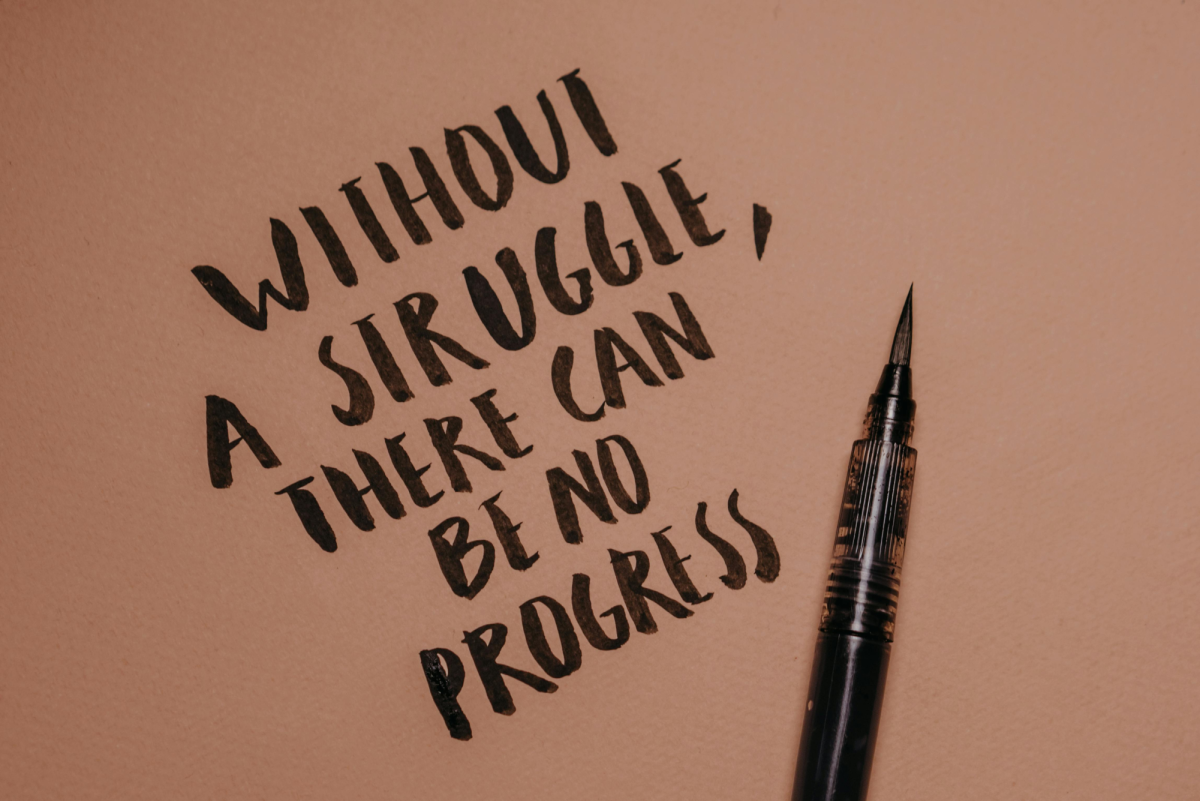
Resilience is a major factor in the definition of achievement. Success isn’t just about reaching a goal, but about the ability to move on from failure. A person who overcomes significant obstacles and continues to push through life demonstrates strength that’s highly respected in society. Perseverance is an achievement in itself.
The concept of time and how it’s spent is increasingly viewed as a luxury and a symbol of a successful life. Having the freedom to choose how to spend their day is a goal for many. While financial stability often buys this freedom, the ultimate success is having total control over one’s schedule. Not having to struggle to balance a work schedule and a personal life is considered a sign of peak success.
Furthermore, the pursuit of knowledge and continuous self-improvement is considered a lifelong form of success. In a constantly changing world, the ability to adapt and learn new skills is invaluable.
Nelson Mandela says, “Education is the most powerful weapon which you can use to change the world.”
Success is not confined to the walls of a classroom; it lies in the self-discipline of lifelong education. In the digital world, the amount of information available with two clicks away means that success can be measured by how effectively a person seeks out the truth. It allows a person to be well-informed while navigating the complex social and political aspects of life with confidence. By prioritizing learning as a continuous process rather than a finished product, a person ensures their version of success remains relevant, providing a sense of accomplishment that never ends.
“Knowledge is power.” Kofi Annan says, “Information is liberating. Education is the premise of progress in every society, in every family.”
Education is not just about a diploma or a degree; it’s the intellectual curiosity that pushes a person to understand the world more deeply. This form of achievement is internal and permanent; knowledge can’t be lost or taken away, as with possessions. When people focus on growth, every new experience counts as progress, regardless of whether it leads to a promotion or financial gain.
Ultimately, as society moves away from the traditional idea of achievement, the focus shifts toward a more personal definition of a fulfilling life. By acknowledging that success is subjective, it becomes clear that the only way to measure it is by how well a person’s life aligns with their own values and intentions.
Multimedia ~ success by Circles by Galia