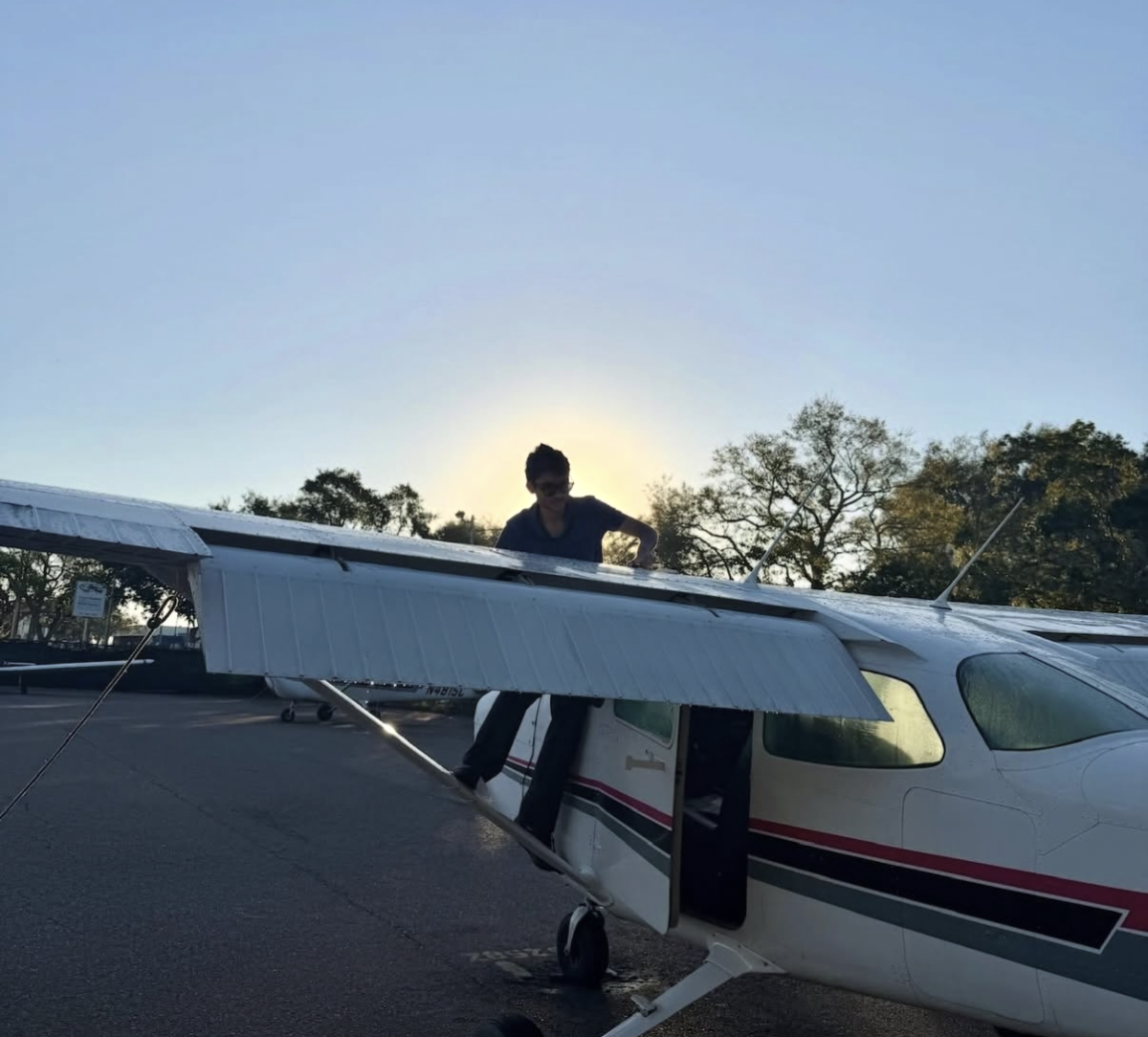
While aviation is a captivating field, becoming a pilot is known to be arduous. The process requires multiple steps, which can take anywhere from three months up to four years. Students can pursue advanced certifications as time proceeds, all depending on the individual goals objectives.
The Discovery Flight
The first step is to take a discovery flight. In this part, the individual is assigned a certified flight instructor (CFI) to introduce the fundamentals of flight. The instructor will first teach the student how to do a preflight briefing—an overview of the safety procedures to ensure readiness for flight. In the cockpit, the instructor will demonstrate the protocols for communication with air traffic controllers. In the air, the instructor shows how to do basic maneuvers such as climbs, descents and turns. The aim of a discovery flight is to provide a glimpse to the responsibilities and skills required to control an aircraft.
Pre-Solo Requirements
Before a student can solo, there are several requirements they must meet. The first is acquiring a second- or third-class medical certificate to ensure that the individual meets the physical and mental health standards to fly. The medical examination features an eye test, cardiovascular test and a neurological test. The second requirement is to pass a solo written exam about the training airport; the exam tests the student on airspace rules, airport radio frequencies and more. The third requirement is to receive a total of 20 dual instruction hours in the training aircraft. The fourth requirement, which can also be completed during the cross-country stage, is to receive a 70% or higher on the Private Pilot Written Exam.
Once a student has acquired all these requirements, they are legal to solo an aircraft.
Cross Country Stage
In the cross-country stage, the student starts doing longer flights, typically over 50 nautical miles. This stage also has a number of requirements, perhaps the most important being that the student is required to plan the entire flight, considering factors like weather conditions, fuel requirements and alternate airports. The student is required to complete three hours of night flight training, which must include:
- Logging three hours of cross-country flight training in a single engine airplane
- Doing 10 take-offs and landings to a complete stop
The student must also complete ten hours of solo flight time, consisting of:
- Five hours of solo cross-country time
- One solo cross-country flight of at least 150 nautical miles
- Three take-offs and landings to a full stop
While these requirements are legal parts of the final examination, the student must also display proficient understanding of flight principles and theory. The examiner tests the student on knowledge, not overconfidence.
Private Pilot License
The final step in obtaining your private pilot license is the checkride. The checkride is an examination that consists of the oral and flight portions. The oral consists of a one to three hour conversational, scenario-based exam in which the examiner evaluates the student’s knowledge based on the Airman Certification Standards (ACS). The student is tested on a variety of subjects, including but not limited to weather patterns, airspace regulations, fuel requirements, fundamentals of flight and more.
If the examiner finds the student eligible, they advance with the flight portion. The examiner tests how well the student knows the aircraft. The student must demonstrate a variety of maneuvers, including:
- Steep Turns
- Stalls
- Turns-Around-A-Point/S-Turns
- Soft Field/Short Field Take-offs and Landings
- Climbs and Descents
- General Control of the Aircraft
Once all these steps are completed, the examiner will score the student. If the student performs well enough, they pass the checkride and obtain their private pilot license.
Private pilots have the option to advance their training, often with the goal of becoming an airline pilot. However, many are happy with their current status.
In the end, becoming a pilot is a rewarding feat.