
America is behind almost all developed nations in public transportation, yet funding continues to be cut every year. Locally, Hillsborough Area Regional Transit Authority is considered one of the most underfunded transit agencies in the nation, leaving Tampa with horrible public transportation.
If you ever ride a bus in Tampa, you’ll find that if you miss it, you’ll have to wait more than 45 minutes for another one to come. Even after those 45 minutes pass, you aren’t guaranteed a bus, as they are almost always late. In 2024, HART had an operating budget of $101.4 million. While that may sound like a lot compared with any city outside the U.S., it’s nothing. For example, Narva, Estonia, a small town with a population of 80,000, spends more than $330 million on operations.
A strong public transportation network is a core part of any high-functioning city. Without public transportation, traffic builds up, making it nearly impossible to move around, even with personal vehicles. Even in a city like New York City, with relatively good public transportation, traffic is high. While more than 56% of New Yorkers, according to the New York Public Transportation Association, use public transportation, traffic is still extremely high. If there were no public transportation, it would be far worse.
Tampa specifically is a relatively low-density city, with spread-out, single-family-home-dominant neighborhoods, so effective implementation of public transportation can be complicated. There is a large amount of distance to cover without much population density. This distance creates inconvenience and complications for further development of HART, especially given its limited budget.
Ivy Ni (10) says, “I can’t get around at all without my parents driving me, and they usually can’t, if we had good buses that I could take to places that would make everything so much more convenient.”
The reason residents of Tampa are often unable to find a convenient ride is the HART map’s limited connectivity, with the need to go to central hubs to change buses. Most developed cities with strong bus networks have connections at almost every stop, with many buses connecting in one place. The number of required bus transfers is what makes our current system so inconvenient to use.
In addition to bus transfers, many buses arrive at inconvenient times. If the budget for public transportation were increased, more buses could operate and help solve that problem. Currently, each line has only three buses operating at any given time, creating waiting times of more than 55 minutes between buses.
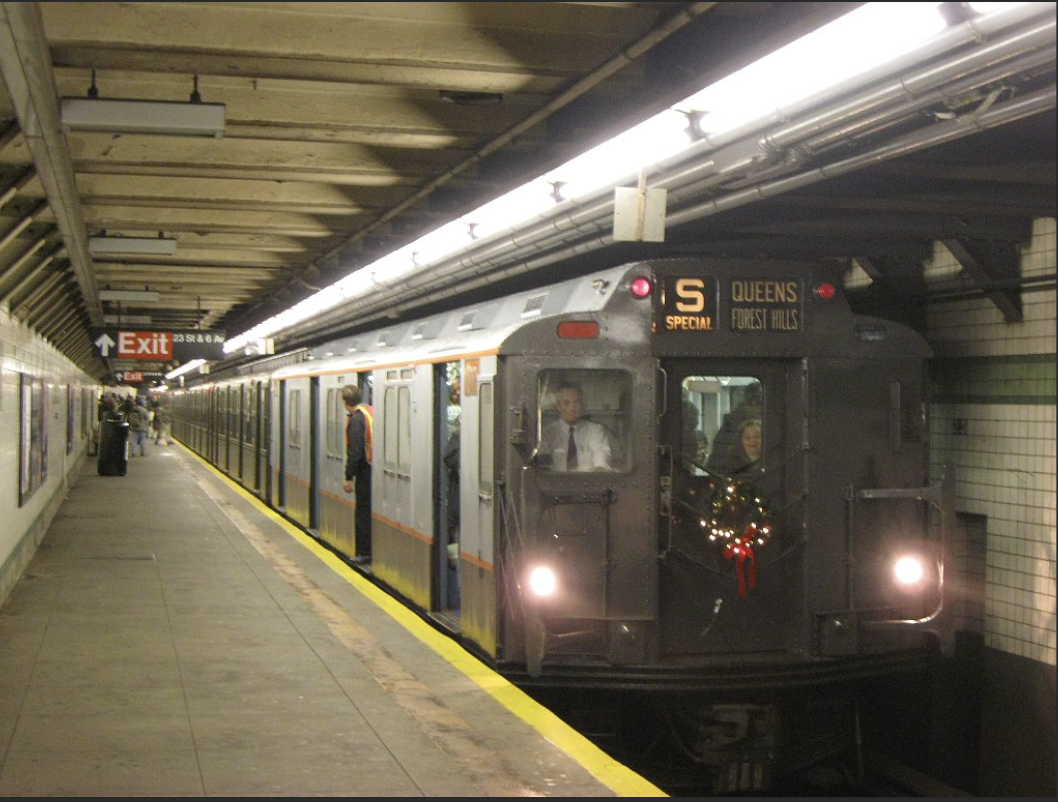
Even outside Tampa, the majority of U.S. public transportation is underfunded. Even in New York, which has what would be considered a good public transportation network, metro stations are often uncared for and unkept. It’s honestly embarrassing. In the world’s largest economic hub, little is being done to renovate stations. The Metropolitan Transportation Authority 2025 budget was $19.9 billion. While that may sound like a lot, global cities such as Shanghai spend more than $110 billion on public transportation systems with roughly similar system length. Even though China has lower operating and employment costs, it still invests far more in building a strong public transportation system. At the same time, the U.S. barely wants to fund public transportation, which makes systems expensive and unreliable, even in large metropolitan areas.
Beyond the baseline that public transportation should be affordable for people who often cannot afford cars and gas, it also benefits the general population by reducing traffic congestion. Even if we disregard those who are financially disadvantaged, there are clear benefits to public transportation.
According to the Environmental Protection Agency, a single personal vehicle produces an average of 4.2 metric tons of carbon dioxide per year. If multiplied by the 220 million active vehicles in the U.S., that equals more than 924 million metric tons of carbon dioxide annually, creating massive amounts of pollution.
By comparison, according to Anti Pollution Plan, a bus produces roughly 8.2 grams of carbon dioxide per passenger per day. Electric buses, which are being implemented worldwide, reduce that number to about one gram per passenger per day. With buses globally producing about 452 million metric tons of carbon dioxide while carrying more than three billion people per day, they represent a far more efficient mode of transportation.
Keila Varn Reich (10) says: “I don’t have a car yet, and it’s sucked for my entire life that I have to have my dad drive me places. I’m lucky that my dad is able to do that, but sometimes I want to go somewhere alone and if we had better busses and maybe even a subway that would be great”
It’s proven that public transportation is effective when implemented correctly and made convenient for the average person. Many people in America are influenced by the negative image of public transportation, often reinforced by large car manufacturers. Billions of dollars flow into Congress and other government positions through lobbying groups, especially since the rise of companies such as General Motors and Ford Motor Company. These lobbying groups advocate against federal infrastructure funding that supports public transportation agencies, making the experience worse for the average American and less appealing to use.
America’s fascination with cars has existed for decades. That fascination doesn’t come from nowhere. According to OpenSecrets, in 2024 General Motors spent more than $14 million on lobbying, and Ford Motor Co. has spent more than $10 million since 2023. This lobbying contributes to massive parking lots and low-density cities that discourage walking and convenient public transportation. While Americans struggle to pay for cars and insurance, politicians continue to receive donations from industries that benefit from car dependency.
There are also people who genuinely do not believe in public transportation. However, public transportation does not eliminate personal transportation. It reduces the need to drive in common situations, such as commuting to work. In the European Union, where public transportation is widespread, many people still own cars to travel to rural areas or specific destinations that transit cannot reach. While it may discourage car use, it does not eliminate a car’s usefulness.
Public transportation also reduces the likelihood of fatal car accidents. Buses that share the road with passenger vehicles are significantly less likely to be involved in deadly crashes. This is partly because bus drivers are professionally trained, reducing accidents caused by driver error. Buses also distribute impact differently, making deaths on board less likely.
Public transportation can reduce driving under the influence as well. According to alcohol.org, a 2015 study concluded that cities with expanded public transportation reduced the likelihood of drunk driving by more than 50% compared with cities without similar systems.
Current plans for route by caporcelli