
Imagine a person walking home alone at night. The streetlights begin to dim, and the person has no sense of where they are. They are surrounded by a void of darkness, and soon their mind starts filling with the endless possibilities of what might happen next.
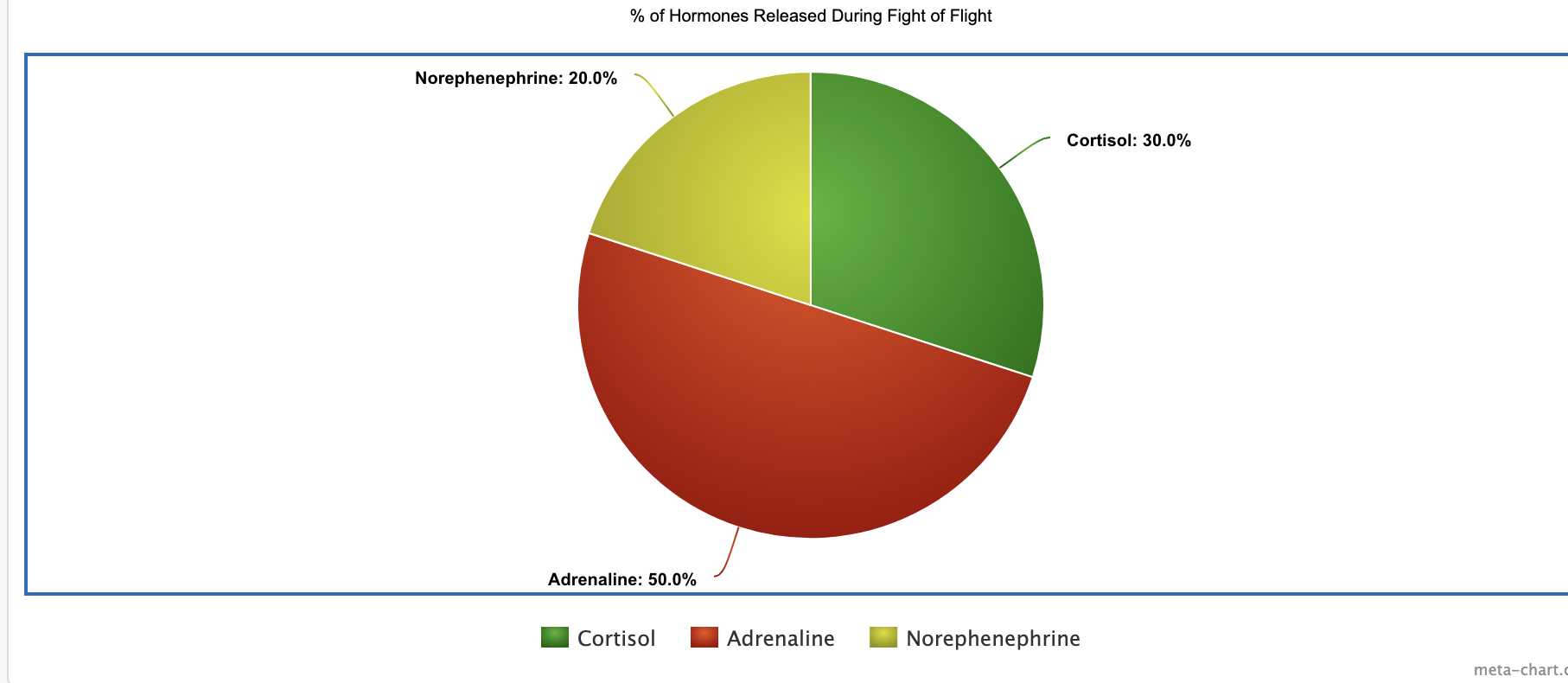
As unsettling as it may seem, this reaction is completely natural for humans. This instinct is part of what psychologists call the fight-or-flight response. Specifically, the brain is either confronting the danger (fight) or escaping it (flight). To determine how the body should respond, a series of processes occur:
- The amygdala evaluates the situation for any imminent threats.
- The body releases corresponding signals (based on the amygdala’s output) to prepare for either “fight” or flight.”
- Stress hormones, such as adrenaline or cortisol, are released, triggering the body’s external reactions.
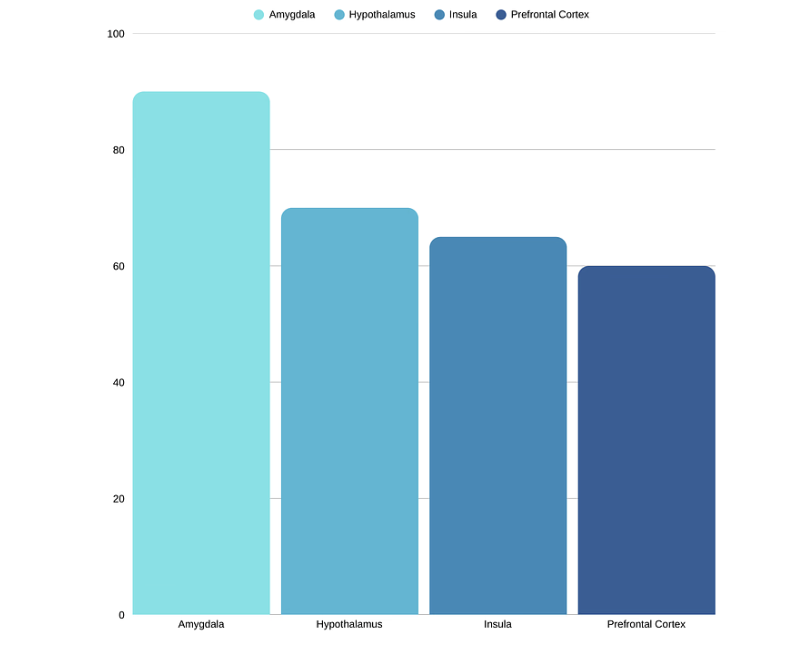
So, for the person walking alone at night, these processes cause a heightened sense of awareness and tension. Their heart might race, muscles might tighten and every distant sound might amplify. And while the scenario might not pose any actual threat, the brain treats it as such. This illustrates how the “fight-or flight” response isn’t just physical but further underlies a person’s mental fear of the unknown.
The fear of the unknown, while uncomfortable or disconcerting, is not necessarily a negative thing.
In an article published by Psychology Today, the writer describes a metaphor made by author Elizabeth Lesser: “We are afraid to step into those woods but even more afraid to turn back. To turn back is one kind of death; to go forward is another. The first kind of death ends in ashes; the second leads toward rebirth.”
In other words, avoiding the unknown may feel safe. However, doing so only encourages stagnation by reinforcing familiar patterns. Conversely, engaging uncertainty can foster growth and broaden perspectives by allowing people to navigate unfamiliar situations with adaptability.
Lesser’s quote also illustrates this idea eloquently: grappling with the unknown may provoke trepidation. However, it can also open the door to transformation. By confronting the unknown, people surpass the boundaries of their habits, discovering new strengths that would have remained hidden if they stayed in the confines of their comfort zones.
But this perspective also begs another question: At what point does the fear of the unknown hinder and suppress growth rather than encourage it? When a situation becomes chaotic or chronic, the unknown will begin hurting the person. This can lead the person to resist change, further amplified by factors such as cultural pressures, past negative experiences and cognitive biases. In these cases, the same mental mechanism—fight or flight—that evolved to protect humans, can do the exact opposite. The result is counterproductive, limiting both response and insight.
The fear of the unknown is a deeply ingrained response, having both physiological and psychological mechanisms. But as mentioned earlier, the unknown also serves an essential function: exploration that fosters both adaptability and awareness. This way, fear of the unknown is not an obstacle—but a catalyst for growth and the realization of human potential.