
With SAT season just around the corner, high school students are beginning to think more seriously about how they can best prepare for the test. The SAT is a standardized test used by the College Board for college admissions within the United States. While many colleges and universities in the United States have adopted test-optional policies in the past few years, SAT scores remain an important factor in college admissions and scholarship programs.
The way in which high school students prepare for the SAT can vary from student to student, but there are some test prep strategies that educators and SAT prep experts seem to agree on across the board. From the digital format of the test to time management strategies, there are more test prep resources available to high school students than ever before.
Understanding the format
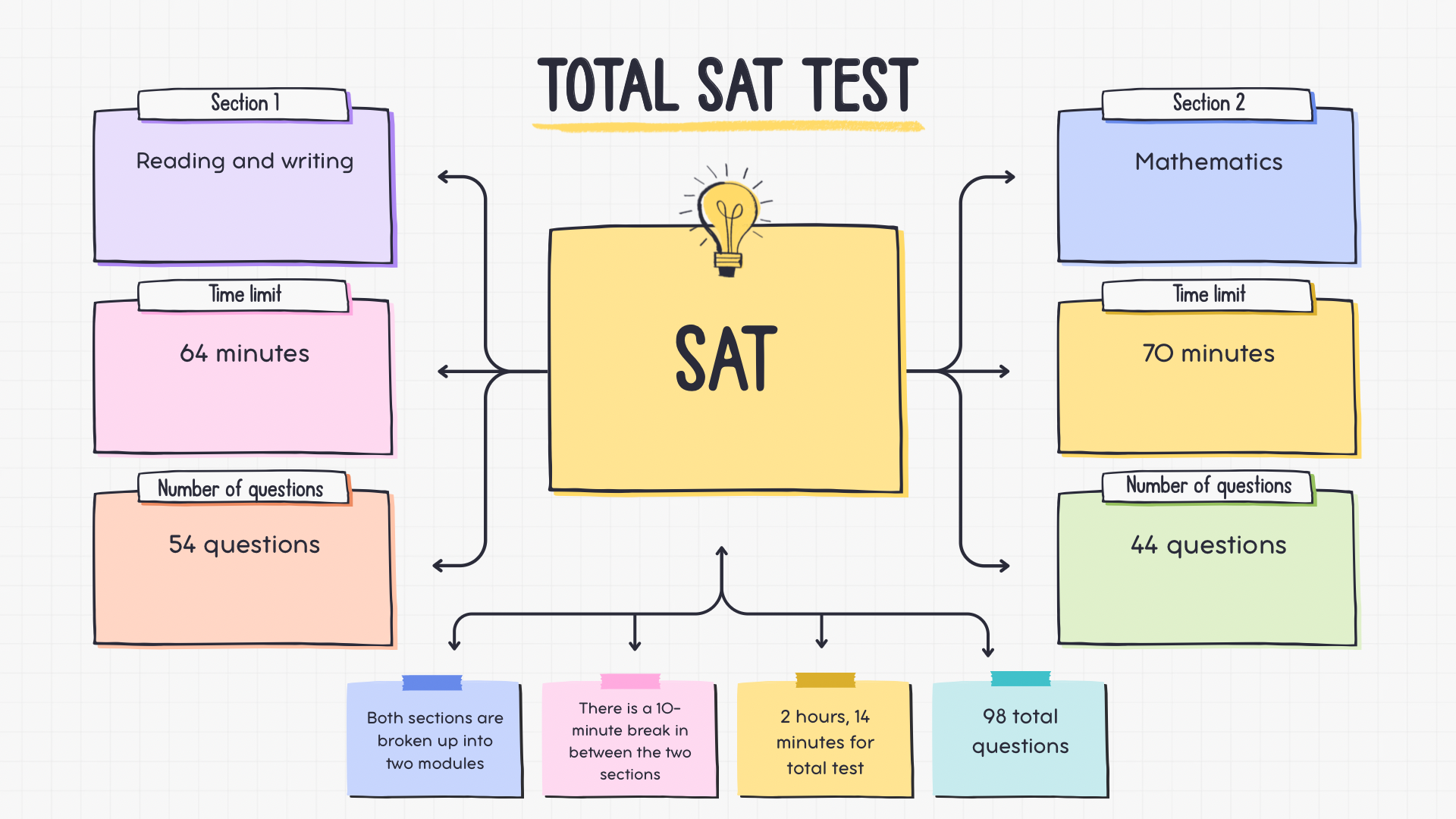
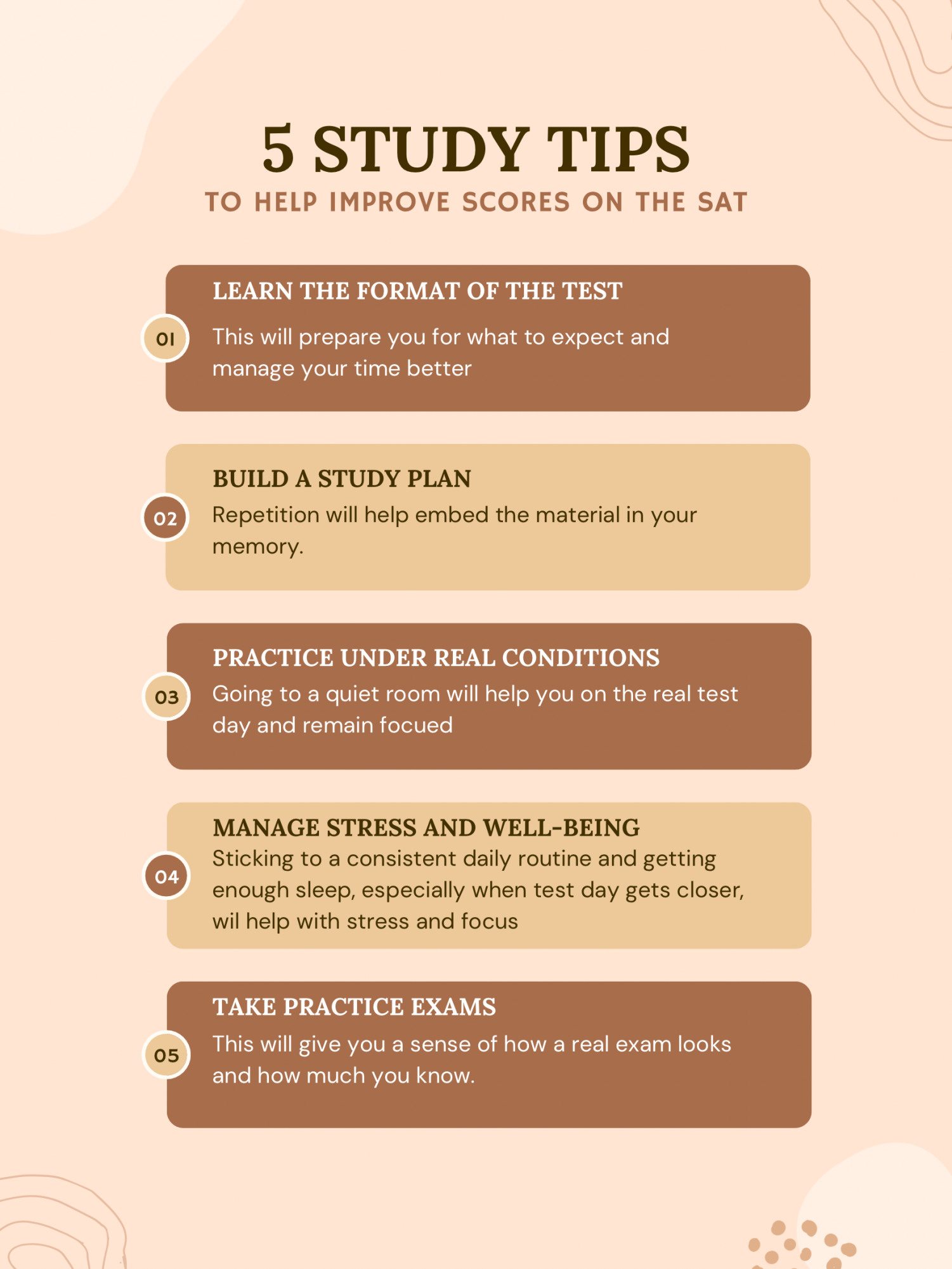
One of the first things recommended is becoming familiar with the test format. The current SAT exam is digital and consists of two sections: Reading & Writing and Mathematics. The test has an adaptive feature, which means the difficulty level of the test questions can be increased or decreased based on previous answers.
Another recommended tip is to try some practice questions or tests. The official practice tests and questions can be obtained for free from the College Board website or through the College Board website with Khan Academy. The practice tests are full-length and similar to the actual test experience.
Building a study plan
One of the most common test preparation strategies suggested for test-takers is the need to be consistent. Instead of studying for the test the week before, many counselors suggest that students develop a plan several months beforehand.
For example, the student might want to set weekly goals. If the student is preparing for a math test, they might want to learn the basics of algebra, develop problem-solving strategies, and analyze data. If the student is preparing for the Reading and Writing test, they might want to learn strategies for comprehension, learn words used in context, and learn the basics of standard English.
“I go to tutoring at Huntington twice a week and this has helped me stay consistent while preparing for the test,” said Jaden Turek (11). “Going to tutoring gives me good practice and I am also able to access practice tests and quizzes from home.”
Setting goals might actually help alleviate some of the stress the test-taker is experiencing. For example, studying for 30-45 minutes a few times a week might be more effective than studying for the entire weekend every month or so. This may actually boost the student’s self-confidence.
Practicing under real conditions
Another good practice recommended for development is simulating the actual test conditions. This would include quiet rooms, simulating the time taken to complete each test, etc.
By taking this test, the student would improve their endurance. It is worth noting that the SAT requires concentration. Some students have indeed found that time management is as important as knowledge. Knowing the time required for a particular problem, as well as the process to follow to reach the next question, would help the student improve.
Some students have found that they need to concentrate on the questions they got wrong. Instead of focusing on the right answers, some students have found that knowing what they got wrong helps them improve.
Considering additional support
While some students might be interested in pursuing this goal on their own, others might prefer a more structured learning program. There are several learning programs available, including a review program in a school setting, a tutoring program, and a test-prep program, to name a few.
There may be parents who might be interested in researching a program that is available through companies such as “Huntington Learning Center” and Discipline Minds, which include a test prep program and a strategy program, which might be part of an online class. However, there are also free options available through the school counselor’s office and online.
The best way for a student to prepare for the test might differ for each individual, and it might be recommended that they research the options available to them.
Managing stress and well-being
Apart from the academic side, it also refers to how an individual handles stress. Some students have reported feeling pressured, especially during tests. This is mainly because they have other activities and courses.
Sleeping, eating and taking breaks during the study session are some of the health recommendations. It is also recommended that an individual continue with their usual routine a few days before the test date. On test day, it is recommended that an individual arrive early and bring all necessary items.
Looking at the bigger picture
While the pressures surrounding SAT preparation may be high, the consensus among SAT experts is that the student should remember that the test is just a small part of the overall process.
There have been several changes in the policies regarding the SAT over the last few years, driven by the broader conversation about college admissions. It would be good for the student to review all the college policies.
This is a very personal process for a student to go through in preparing for the SAT. While the student wants to be able to prepare for the test on their own and look at the overall prep course, the only way the student can really prepare for the SAT appears to be the way the student wants to prepare for the SAT. By preparing early, the student will feel ready for the overall process.