
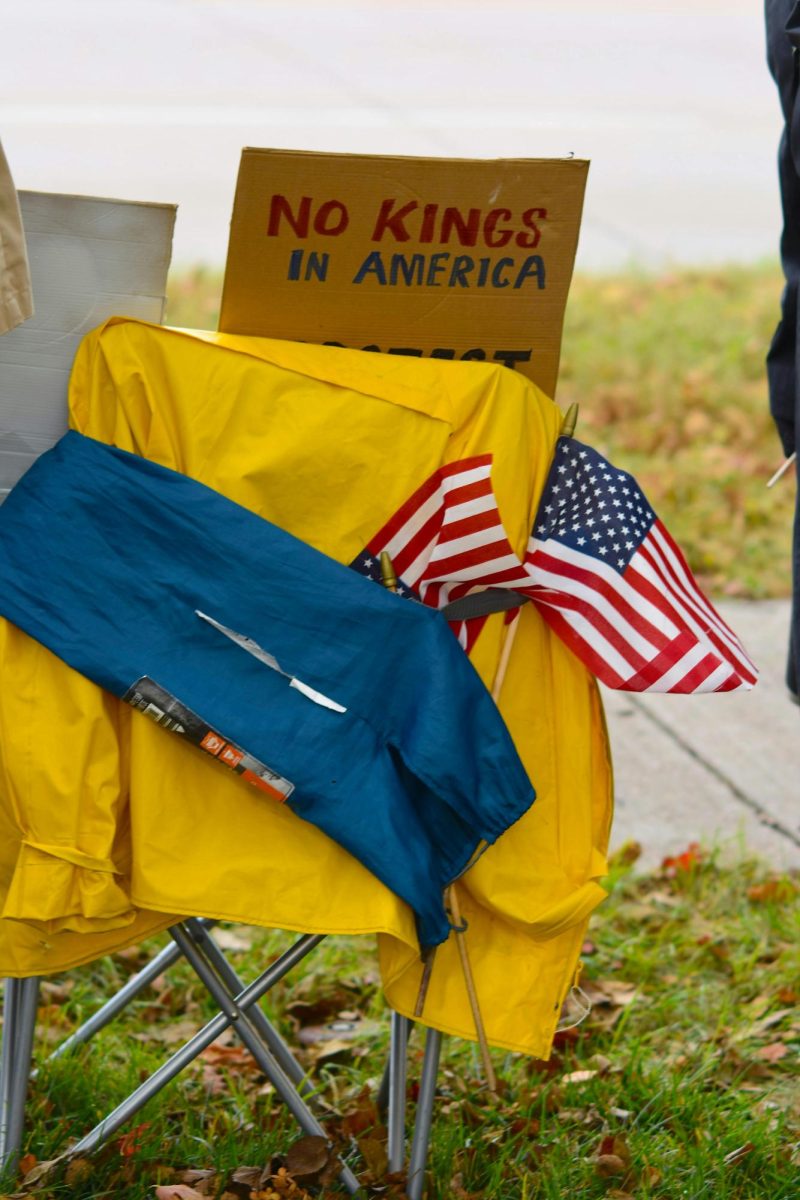
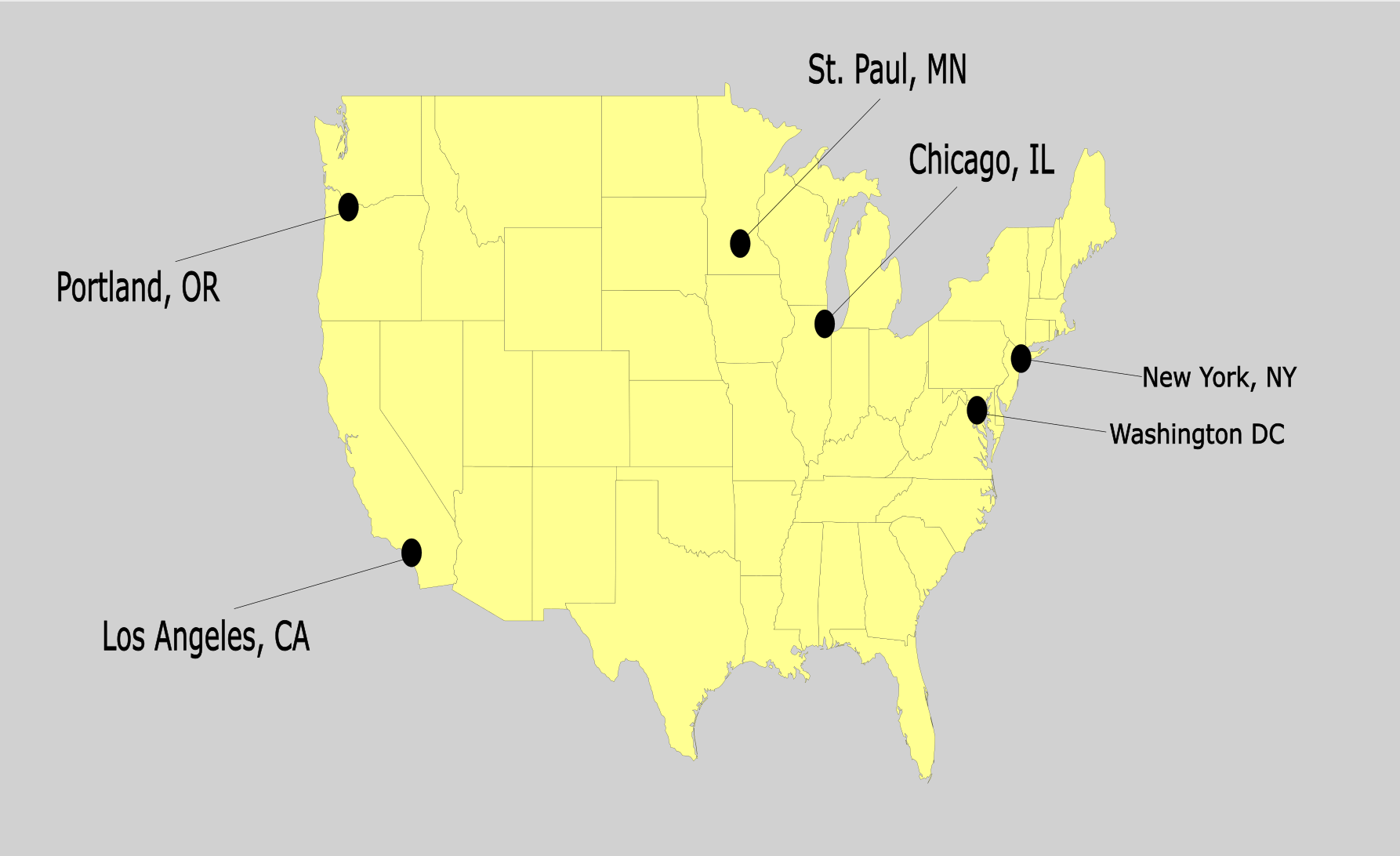
The No Kings Protests are a series of nationwide movement across the United States in opposition to President Donald Trump’s administration. While there have been small marches in multiple U.S. cities in the past, the largest one occurred on March 28, 2026. Over 8 million people combined took to the streets, with demonstrations in cities like Los Angeles, New York, and Washington at the forefront.
There was one common denominator in the almost 3,500 events that were associated with No Kings that took place across all 50 states: Trump—specifically, his second presidential term. President Trump’s second term has been rooted in a polarized political landscape, particularly around immigration, executive power, and “America First” policies.
Many Americans have viewed these rapidly changing enforcements as a shift from long-standing democratic norms. Critics argued that these actions have undermined the checks and balances—a system put in place to ensure no branch of government becomes too powerful.
The response, as mentioned earlier, were the series of No King Protests. The core of these demonstrations was the motto of “No Kings.” In other words, these protestors believe that no one, regardless of their position, should be above the law. Protestors also found unique ways to express their messages.
In Chicago, people gathered along the lakefront to form a 30-mile “human chain” against President Trump’s administration. There were almost 18,000 participants in this chain, stretching from Aurora to Chicago’s downtown. In Portland, people staged a demonstration using giant cardboard crowns and thrones to imitate the idea a “king” was in the White House. In St. Paul, people gathered at the State Capitol to conduct a flagship rally. Almost 100,000 people attended, and civic engagement was urged by many political speakers and activists.
Beyond major cities, these demonstrations were also scattered across small towns and communities. Edwardsville, Ill. saw roughly 1,700 people gathered at the town’s local City Park for speeches and chants. In Benzonia, Mich., residents rallied with homemade signs as they chanted through the streets to show solidarity with the nationwide movement. In the Midland-Odessa area of Texas, people voiced their concerns of the Trump Administration’s polarizing immigration policies, especially surrounding ICE deportations and the southern border with Mexico.
Even though many people united for a common cause, the movement did not come without its criticisms. Conservative politicians and officials argued that the slogan “No Kings” is misleading as presidents are elected by the American people through the Electoral College. This essentially means that President Trump is not and cannot be a dictator.
Despite these criticisms, the No King Protests had a profound effect on the national conversation. Millions of Americans—across cities, suburbs and small towns—were drawn into discussions about executive power, democratic accountability and citizen responsibility. Local and national media covered the demonstrations extensively, highlighting both the creativity of protestors and the sheer scale of participation. Many civic organizations reported increased engagement, with citizens attending town halls, contacting representatives, and participating in voter registration drives. The movement demonstrated that, regardless of political affiliation, a large portion of the population is willing to take action to ensure that government remains accountable to the people.
Canva Video: