
Getting a 504 plan in school can be harder than people expect, even though it’s supposed to help students who need extra support. A 504 plan is meant for students who have a disability or condition that makes school more difficult for them. The goal is to give them accommodations so they can learn just like everyone else. But actually, getting one is not always easy.
One of the biggest problems is proving that you qualify. Schools usually want clear proof that a student has a condition that affects their learning in a big way. This often means getting notes from doctors, test results or other official documents. That can take time and sometimes cost money. Even if you have proof, the school might still say the student is doing “fine” in class and doesn’t need a 504 plan. This can be really frustrating for students and parents who know the student is struggling.
“Sometimes it’s really annoying because I need more time to take tests or quizzes but I don’t qualify,” says Charley Holden (9). This shows that the 504 plan qualifications can be inconvenient and hard for some people.
Another issue is that not everyone really understands what a 504 plan is. Some parents don’t know that they can ask for one, and some schools don’t explain the process very well. It can also be confusing because there are other plans, which are similar but not the same. Because of this confusion, students who need help might not get it right away.
“Whenever I need more time on a test I can get it and it just helps knowing that I don’t need to stress about running out of time,” says August Voss (10).
The process can also take a long time. After asking for a 504 plan, the school usually must review information, maybe do their own testing and then set up a meeting. This can take weeks or even months. During that time, the student still has to deal with the same struggles in school without any extra help.
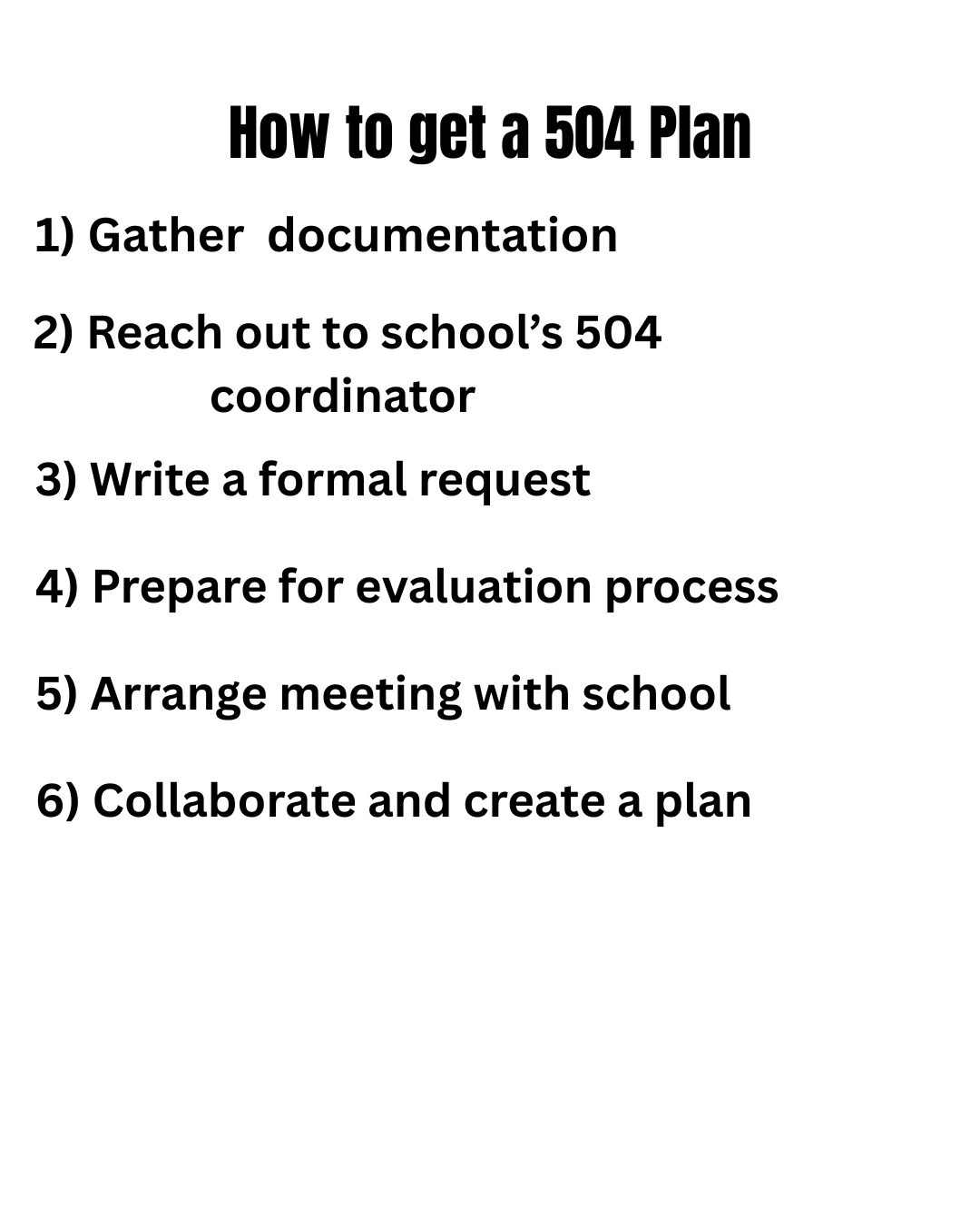
Even though it can be difficult, there are ways to improve your chances of getting a 504 plan. First, it’s important to ask the school in writing for an evaluation. This makes it official and starts the process. In the request, explain what the student is having trouble with and how it affects them in school.
Next, try to gather as much helpful information as possible. This could include doctor’s notes, reports or even comments from teachers. The more details you have, the better. It helps show that the student really does need support.
It’s also important to stay in touch with the school and not give up. Ask questions, check on progress and be ready for meetings. If the school says no, you can ask again or try to appeal the decision.
In the end, getting a 504 plan can take time and effort, and it might feel stressful. But if you keep trying and know what steps to take, it is possible to get the help you need.