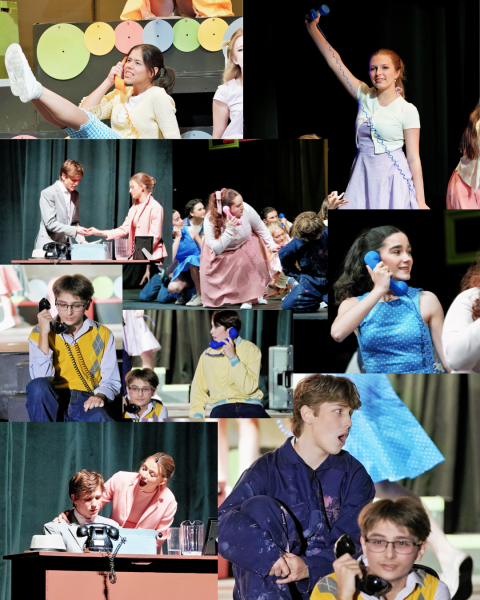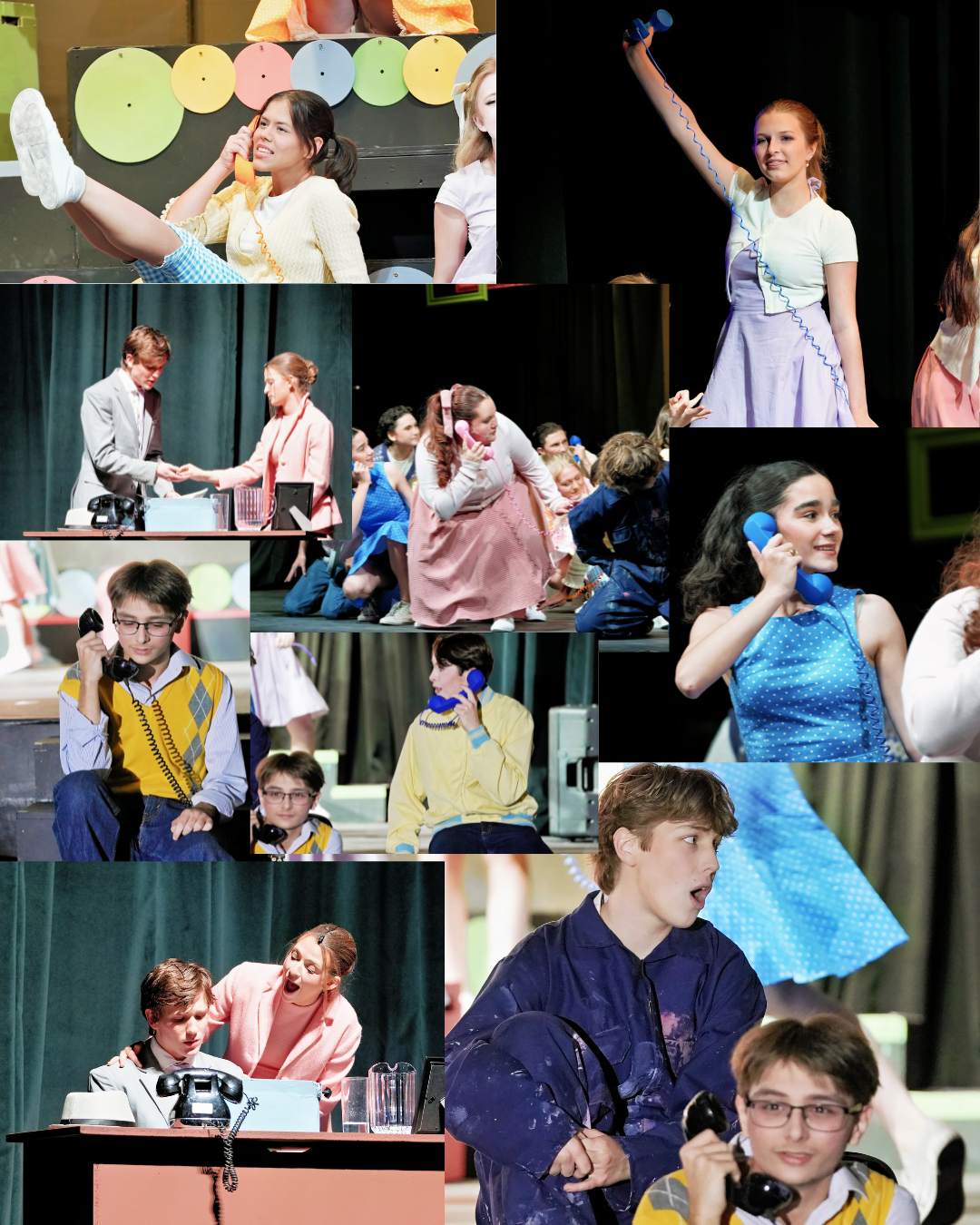
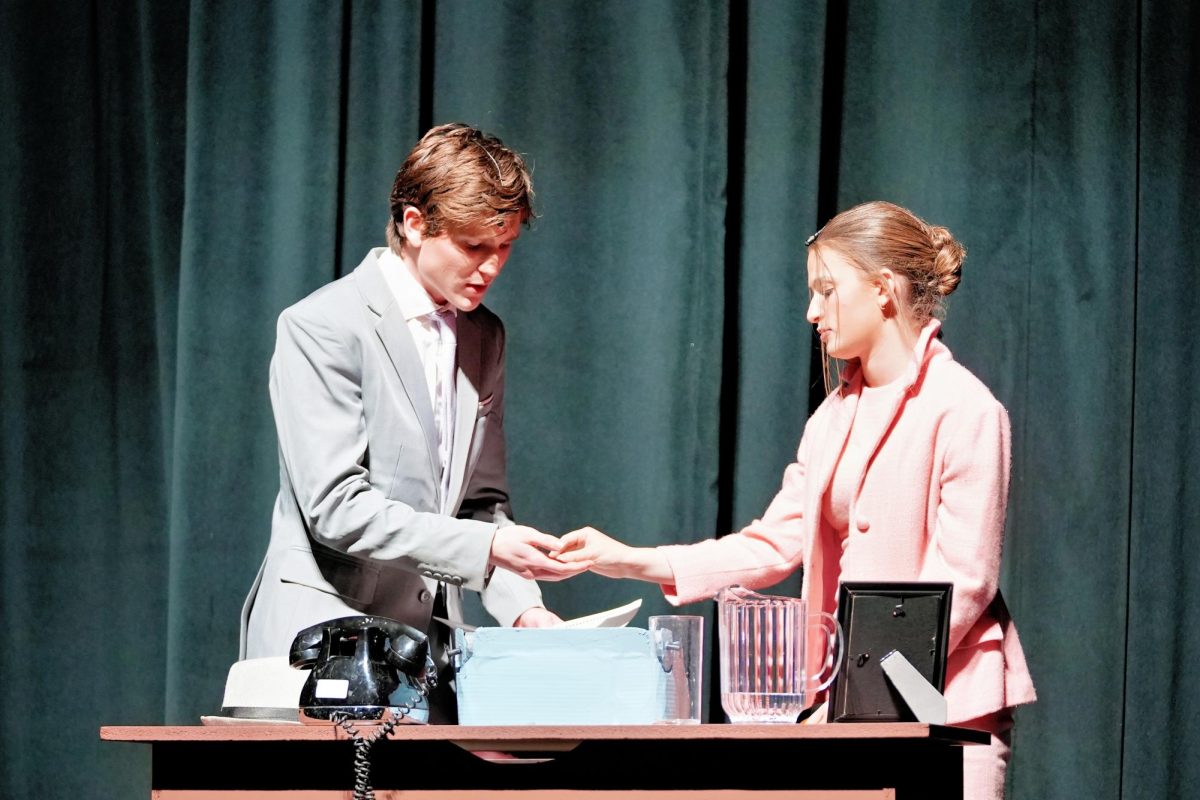
This weekend, the Plant theatre company put on a show, “Bye Bye Birdie”. The performance is widely considered by critics as one that has “contributed more to popular culture than many people are aware of,” as said by Rotten Tomatoes critic Kim Newman.
The performance captures the emerging rock-and-roll era of the late 1950s. It was one of the first shows to feature rock music, rather than the traditional styles that had been used in theater for decades. The show has won four Tony Awards and received six nominations. In 1961, it was considered one of the most highly rated shows at the time, earning awards for best choreography, best direction of a musical, best musical and best performance by an actor in a leading role in a musical. The story follows Conrad Birdie as the main character. When he is drafted into the Army, his manager and songwriter scramble to find a way to make money so he can support himself while serving. He performs one last show, sending local teenagers into a frenzy as they all try to see him. The story continues with dramatic moments, including a controversial altercation after he punches a teenager’s boyfriend. The story is based on Elvis Presley and his time in the Army. It serves as a satirical representation of real events and reflects the rise of rock and roll at the time.
The show was also among the first to portray the lives of teenagers rather than adults. Before this, most Broadway productions focused on adult stories. This shift made theater more relatable to younger audiences and helped expand its reach.
The show paved the way for future productions that spotlight teenagers and influenced how young people are portrayed in entertainment. While the original “Bye Bye Birdie” draws from real events, this production is a school adaptation. Instead of directly referencing real people, it focuses on fictional characters and reactions from fans and the media, making it appropriate for a student performance.
In addition to what happens on stage, a large part of the show depends on a technical crew working behind the scenes.
“I do tech for theatre; I’m an assistant stage manager,” Ava Brown (11) says. “I just work backstage with the actors and get everyone ready so we can take things on and off the stage, tell actors to go on the stage, props and everything else. I’m really excited for opening night and can’t wait for everyone to see the show we worked so hard on.
Producing a show like “Bye Bye Birdie” involves a long process that begins months before opening night. It starts with auditions, followed by rehearsals to learn lines, songs and choreography, while the technical crew manages sets and other elements.
“I’m the stage manager for Bye Bye Birdie, which means I manage the cast and all the technical crew, which is in total about 80 people,” Nic Balazs (10) says. “In last year’s musical, The Addams Family, I didn’t really want to sing or dance, so I talked to the teacher about possibly doing stage management, and that’s how I started.” He adds, “I’ve done three other shows besides this one. I think out of every production I was stage manager for, this one holds a special place in my heart; this is the first time I’m head stage manager for something of such a big production. I have to keep track of a lot of things, staying up late doing all the paperwork for all the technical elements, but I do really enjoy it.”
As show days approached, rehearsals became more detailed with full run-throughs and “tech week,” when all technical elements were added. Stage managers and crew coordinated scene changes, lighting cues and actor movements to ensure everything happened at the right time.
The final performance reflects the work of both cast and crew. The production highlights the time and effort required to bring a musical like “Bye Bye Birdie” to life in a school setting while giving students the chance to take on meaningful roles throughout the process.